
Myanmar unrest & border restrictions hit tourist footfall at Buannel near Mizoram
In general, February and March are traditionally considered the peak months for visitors.
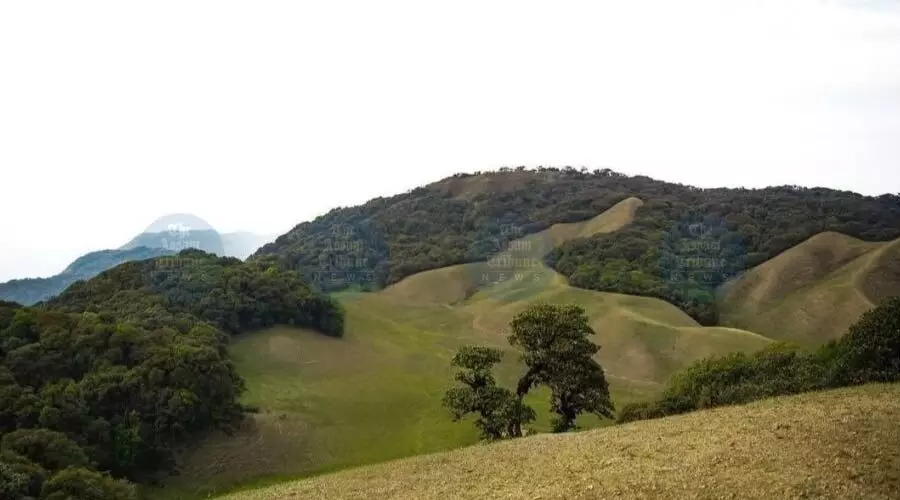
Buannel in Mizoram
Aizawl, Feb 9: Buannel, a picturesque highland destination in Myanmar’s Chin state located near Mizoram’s Champhai district, is witnessing an unusually lean tourist season this year. In general, February and March are traditionally considered the peak months for visitors.
Once a favourite getaway for travellers from Mizoram and other parts of India, and even drawing occasional foreign tourists, Buannel has seen a decline in the numbers of visitor sharply. The area has been affected by clashes between Myanmar’s military junta and armed Chin groups, with hostilities reported not far from the tourist zone.
In view of the prevailing security situation, Lalnuntluanga, Secretary of the Buannel Management Committee under the Hualngoram People’s Organisation (HPO), has issued an advisory urging people from Mizoram to refrain from visiting Buannel during February and March. The advisory comes despite the period being regarded as the most favourable time to visit the area, both climatically and aesthetically.
These months are especially significant for Buannel’s natural charm. The region comes alive with the full bloom of two rare and striking flowers – Chawkhlei (rhododendron) and Bingbi (drumstick primrose or primula species) – which transform the hillsides into a riot of colour. The dry season during this period also makes travel easier in an otherwise remote and rugged terrain.
Although Buannel lies within Myanmar territory, it occupies a special place in the cultural and emotional consciousness of the Mizo people. Its appeal goes beyond scenic beauty. Traditionally, Buannel is believed to be the abode of Chawngtinlerhi, the nymph or eleven queen revered in Mizo folklore as the creator and guardian of all wild animals. The area is also regarded as the mythical birthplace of animals, lending a deep spiritual and cultural significance among the Mizo and related communities.
Meanwhile, tightened border controls have further dampened cross-border movement in the Champhai sector. Assam Rifles personnel deployed at Zokhawthar, the border trade centre village in Champhai district, have recently imposed strict restrictions on movement into Myanmar. Strolling across the bridge over the Tiau river, which marks the India-Myanmar boundary, has been prohibited. Only individuals crossing for the purpose of purchasing goods from the Myanmar side are being allowed passage.
The fresh restrictions have had a direct impact on visits to the famed Rih Dil, or Rih Lake, another major tourist attraction located inside Myanmar. Visitors are now permitted to spend only up to one hour at the lake, leading to a noticeable decline in footfall.
Rih Dil, a heart-shaped lake situated about three kilometres from the Indian border, holds immense cultural and religious importance for the Chin people, including the Zomi, Laimi and Mizo tribes. According to traditional beliefs, the lake serves as a gateway to Pialral — the land beyond the earth, often described as heaven. Folklore holds that all souls destined for Pialral must pass through Rih Dil, a belief that has elevated the lake’s status far beyond that of a mere tourist spot.
With uncertainty persisting in Chin state, local authorities and community organisations on both sides of the border remain cautious, and it appears unlikely that Buannel will see a revival of tourist activity in the immediate future, despite the season being at its best.
By
Correspondent