
Dibang dam row: Arunachal villages set August 24 deadline to act on safety concerns
Villages allege Rs 154-crore project funds failed to deliver vital downstream safety works in Dibang
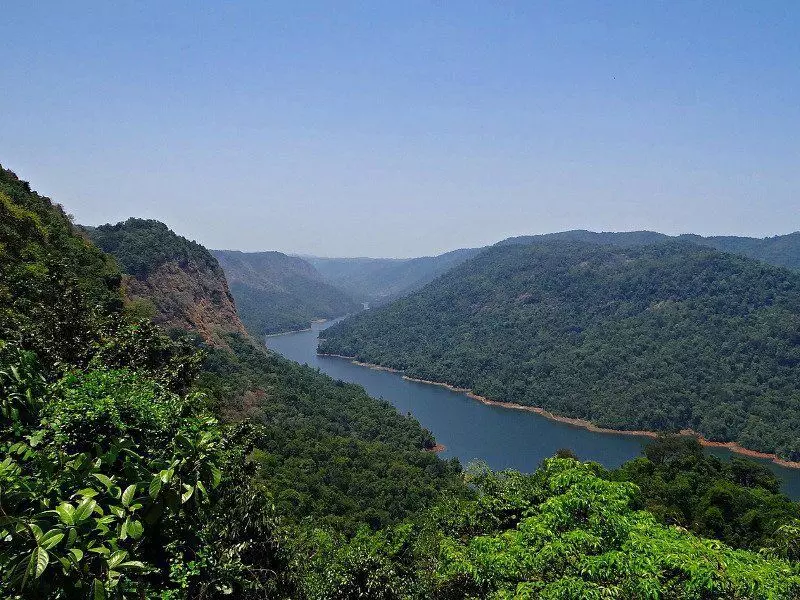
A file image of the Dibang River in Arunachal. (Photo:@Amarrrrz/X)
Roing, August 11: Discontent over the 2,880 MW Dibang Multipurpose Hydropower Project in Arunachal Pradesh’s Lower Dibang Valley has escalated sharply, with downstream communities threatening street protests and legal action over what they allege are broken promises and official neglect.
The Dibang Multipurpose Hydro Project Downstream Affected Area Committee (DMHPDAAC) has accused the government of failing to carry out crucial downstream protection works, despite the sanctioning of Rs 154-crore budget.
In a letter to the Deputy Commissioner, Roing, the committee warned that over 150 villages in Arunachal Pradesh and Assam face risks to their land, livelihood, and quality of life from the ongoing dam construction.
Setting August 24 as a hard deadline for work to begin, the committee cautioned that any further delay could trigger a massive, region-wide democratic agitation.
Adding to the pressure, the Uttama Bor Abor Sanrakshana Sanrachana (UBSS)—one of Arunachal’s few public charitable trusts—is preparing to challenge in court what it terms the “unjust exclusion” of downstream communities from the list of officially recognised project-affected areas.
UBSS has also issued an ultimatum to the Adi Baane Kebang (ABK), a traditional apex body of Adi community, urging it to honour a pledge made at the Parbuk Kebang to lead collective action.
Failure to do so, it warned, could prompt calls for ABK’s derecognition across the Dibang belt.
Urgent letters from both organisations have been sent to the Deputy Commissioner, ABK, and the Head of Project for the Dibang scheme, demanding immediate safeguards for downstream residents.
The stakes are high. The Rs 31,875-crore project, being executed by NHPC Limited near Munli village, will feature a 278-metre-high Roller Compacted Concrete dam—the tallest of its kind in India and, by some measures, the highest RCC dam in the world.
Touted for its potential to generate electricity, moderate floods, and spur economic growth, the project is also expected to set a global record by placing over five lakh cubic metres of concrete in a single month.
Earlier on August 4, Leader of the Opposition (LoP) in the Assam Assembly, Debabrata Saikia, had urged the Union government to address Assam’s downstream concerns before moving ahead with the Dibang Valley Hydroelectric Project in Arunachal Pradesh.
In a letter to Union Power Minister Manohar Lal, Saikia flagged growing apprehensions over the project and warned of its potential fallout for Assam.
“I urge your immediate attention to the Dibang project,” he wrote, cautioning that Assam could suffer serious downstream impacts if the matter was not addressed proactively.
As the August 24 deadline looms, the standoff between local communities and project authorities threatens to spill into the streets and the courts—casting a long shadow over one of India’s most ambitious hydropower ventures.