
Mosquito menace climbs hills; ICMR warns of health risks from repellents
Mosquitoes are now breeding in hill regions like Darjeeling, posing new health threats, said ICMR expert Dr Rajni Kant
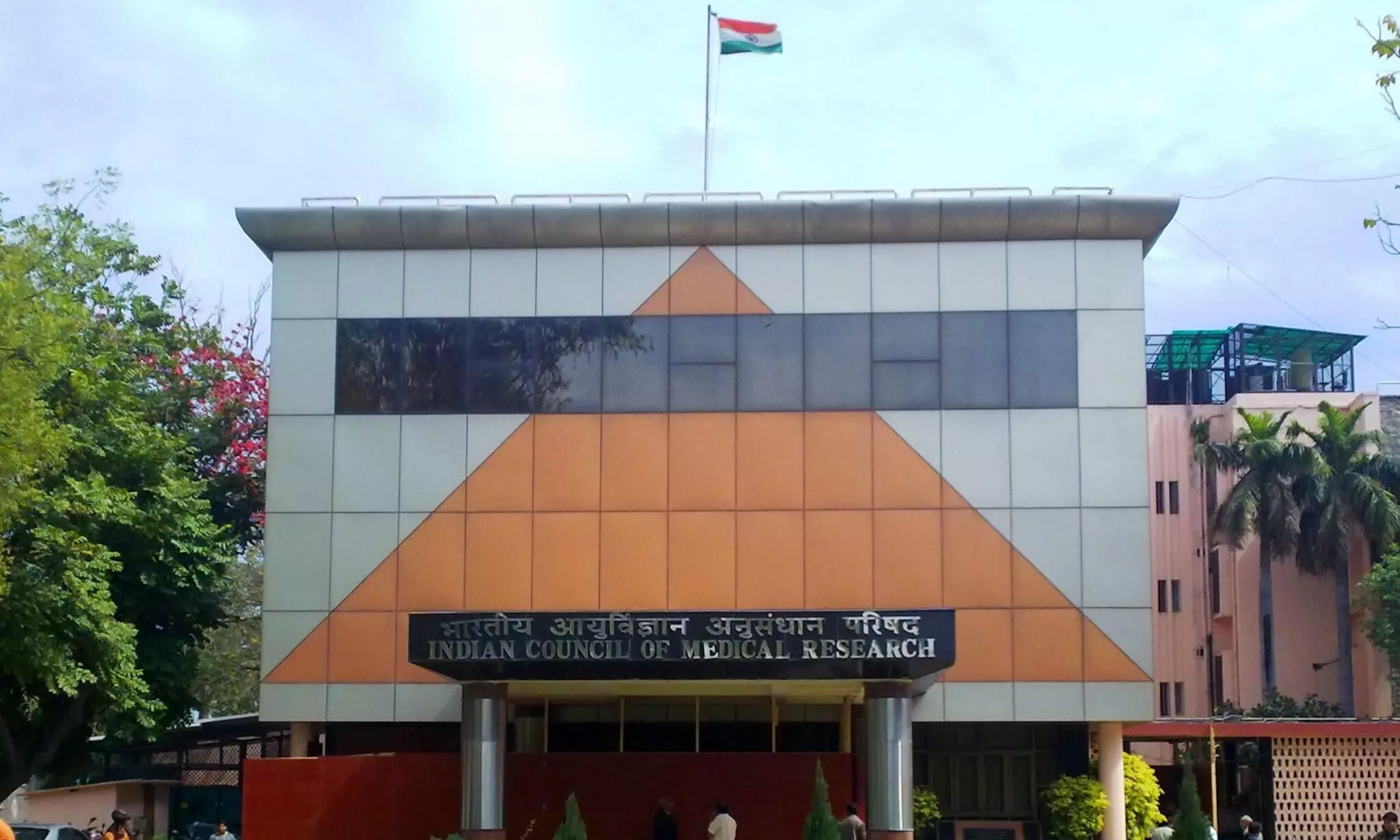
A file image of Indian Council of Medical Research (Photo: meta)
Guwahati, Oct 28: Controlling mosquito-borne diseases has become a major challenge for India, and a new threat has emerged as mosquitoes have now started breeding in hill areas too. On top of that, long-term exposure to mosquito repellents can lead to serious health hazards.
Talking to The Assam Tribune, Dr Rajni Kant, the “Chair” of the Indian Council of Medical Research (ICMR), admitted that mosquito-borne disease is a major challenge for India. He said that the first National Malaria Control Programme was launched in 1953, and the outbreak of the disease came down a bit. But the mosquitoes developed resistance to the repellants used, and the disease came back in the 1970s. In addition to malaria, other mosquito- borne diseases like dengue, Japanese encephalitis, etc, are also causes for worry.
Dr Kant revealed that due to climate change, mosquitoes are now found in the hilly areas, which is a major cause of concern. Earlier, the people in the hilly areas of the country were not infected by mosquito-borne diseases. However, in recent times, the situation is changing rapidly, and malaria and dengue outbreaks are reported from the hilly areas, including Darjeeling.
However, on the positive side, new drugs are now in the market to deal with mosquito-borne diseases, which will be able to reduce the sufferings of the people by the year 2030.
Dr Kant is of the view that long-term use of mosquito repellants is also not advisable. He said that long-term exposure to repellents can lead to health hazards. Some people have the habit of using repellants while sleeping in closed rooms, which is very dangerous, he added.
Dr Kant said that only the Health Department cannot deal with mosquito-borne diseases, and there should be a coordinated effort by all the concerned departments to deal with the menace. He said that the municipal bodies should ensure that all the drains are cleaned regularly and the open drains should be covered. Steps should be taken to ensure that there is no stagnant water. Even irrigation canals, where water is not flowing regularly, should be kept clean, he added.
Dr Kant said that vaccines are now available for JE and should be administered to everyone. Earlier, the vaccines were administered to persons living in the infected areas. But the situation has changed as people travel from one place to another frequently, and that is why it is necessary to administer vaccines to everyone, he added.