
Rs 120 Cr healthcare projects planned on Dibrugarh’s Jalannagar Tea Estate
The tea estate plans to develop a range of other facilities on the non-productive land, including a wellness spa, recreational and sports complexes
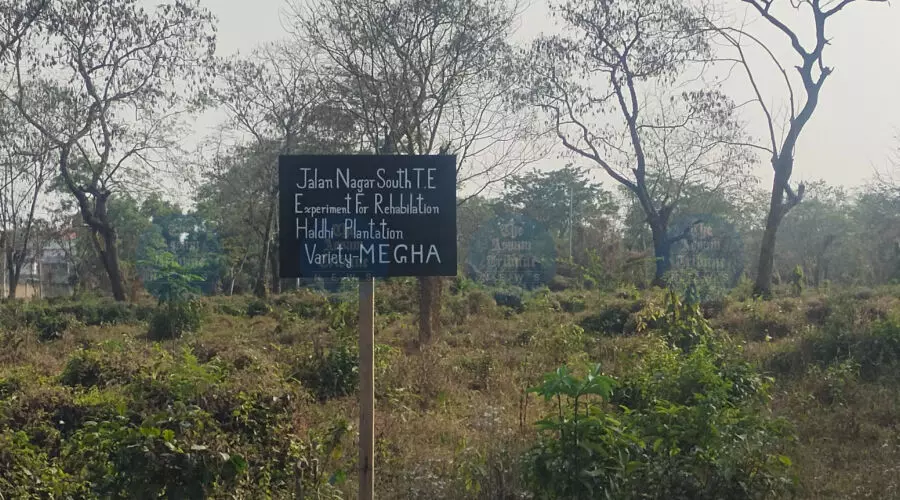
Jalannagar South Tea Estate
DIBRUGARH, March 6: Three healthcare projects worth about Rs 120 crore are set to come up on non-productive land of the Jalannagar South Tea Estate within the city limits here as part of a larger diversification plan aimed at reviving the financially stressed tea plantation while securing the livelihoods of its workers.
Memorandums of Understanding (MoUs) pertaining to the proposed projects – Manavata Multispecialty Hospital, a unit of MDRC Healthcare Pvt Ltd; a state-of-the-art Renu Eye Institute, a unit of Maeyes Private Limited; and the Perfect Smile Dental Clinic and Implant Centre along with a dental institute – had been signed during the Advantage Assam 2.0 summit and these are now awaiting final approval from the State government after receiving district-level clearance.
Sources in the tea estate management said that the large-scale diversification initiative has become necessary as significant portions of the plantation land have turned unsuitable for tea cultivation due to persistent flooding, localised waterlogging, lack of viable drainage solutions, and rapid urbanisation in the surrounding areas of the Jalannagar South Tea Estate.
“These challenges have posed a serious threat to the long-term sustainability of the garden and the livelihoods of its workers. At present, annual revenue from tea production stands at only about Rs 40-50 lakh, making it increasingly difficult for the management to meet wages and salaries. Meanwhile, accumulated losses have mounted to several tens of crores of rupees,” the management told The Assam Tribune.
According to tea estate director Mrigendra Jalan, the State government’s policy of allowing up to five per cent of tea garden land, that is unsuitable for cultivation, to be used for non-tea purposes has opened up new opportunities for struggling plantations to explore alternative revenue streams and strengthen their financial viability.
In addition to the healthcare projects, Jalan said that the tea estate plans to develop a range of other facilities on the non-productive land, including a wellness spa, recreational and sports complexes, value-added agriculture ventures, essential oil distillation units, eco-tourism projects, and educational institutions. The overall diversification programme is expected to attract investments of around Rs 250 crore and generate employment opportunities for approximately 600 to 800 people, he said.
Workers of the tea estate have expressed support for the proposal and the management has already signed a separate agreement to ensure that no permanent worker is retrenched as part of the diversification process. The agreement also guarantees priority employment opportunities for eligible members of the tea garden community in the upcoming projects, informed Jalan.
Jalan further said that as per the agreement, the tea estate management will soon begin the process of screening and shortlisting eligible candidates from among the workers’ community for possible employment in the upcoming projects once the projects move into the implementation stage.
By
Staff Correspondent