
Kaziranga, Manas emerge as front-runners in Assam’s dark sky mission
Preliminary studies show high sky purity in select regions as Assam prepares a certification roadmap, lighting reforms and measures to reduce light pollution.
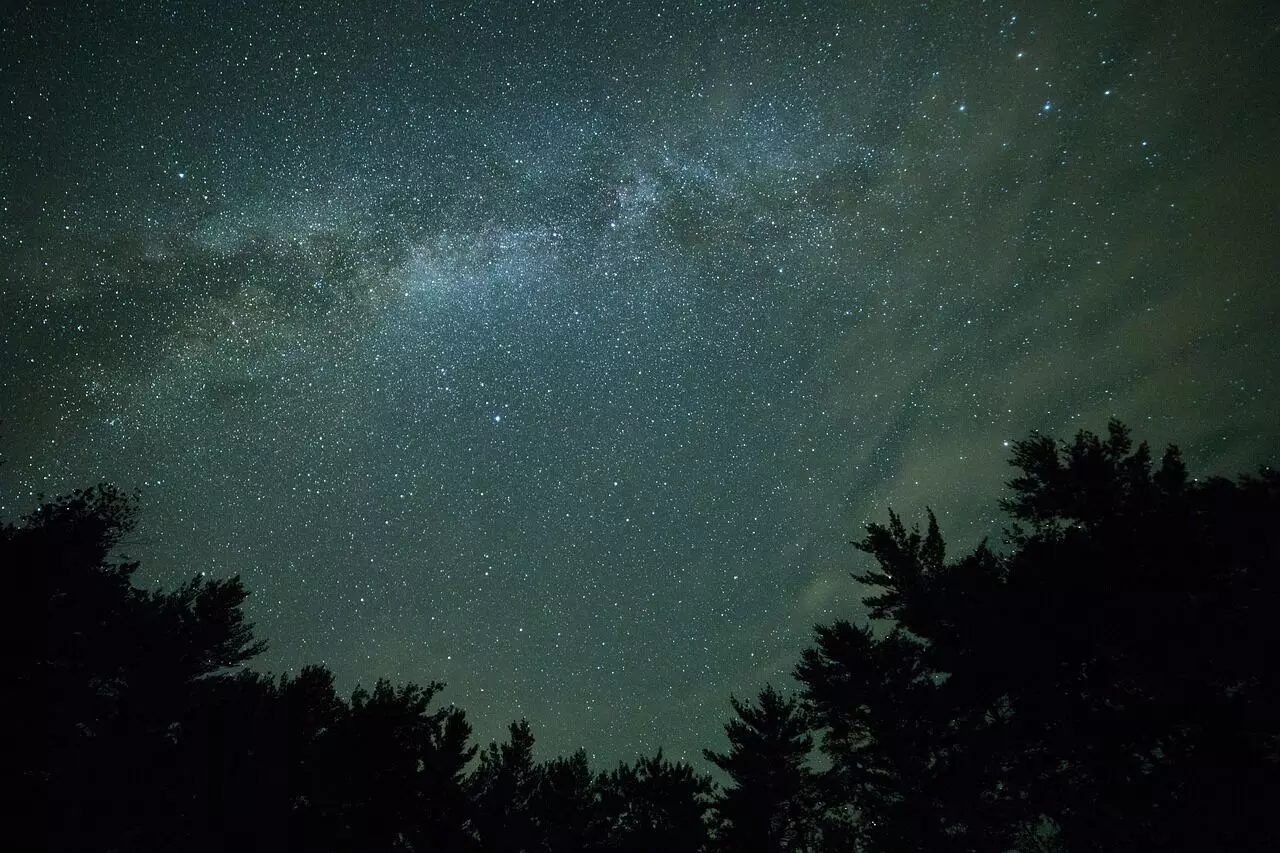
Assam plans certified dark sky parks in Kaziranga, Manas and Dima Hasao to curb light pollution, protect biodiversity and promote astro-tourism (Representational Image)
Guwahati, Feb 22: Assam is set to join a growing global movement to protect natural nightscapes, with the State government initiating plans to establish ‘dark sky parks/reserves’ aimed at curbing light pollution, boosting astro-tourism and safeguarding nocturnal biodiversity.
Officials in the science and technology department confirmed that the State has received in-principle Cabinet approval to move forward with the initiative. Scientific assessments have been conducted across eight potential locations. The proposal envisages the creation of certified dark sky sites with Kaziranga and Manas National Parks and Dima Hasao emerging as leading candidates.
Pallav Gopal Jha, Secretary to the Government of Assam, Science, Technology and Climate Change Department said, “The State has completed preliminary studies across multiple sites and obtained in-principle approval.
“The next phase will involve detailed evaluation, institutional coordination and preparation of certification requirements.”
Data compiled during the assessment indicate that Kaziranga National Park recorded 94.62 per cent pristine dark area, the highest among surveyed sites, followed by Manas National Park with 92.51 per cent and Dima Hasao with 87.05 per cent sky purity indicators. These findings have positioned the three locations as primary pillars of the proposed Assam Dark Sky framework.
Dark sky parks are internationally recognized protected areas where artificial light is managed to preserve natural darkness. Pioneering examples include Mont-Mégantic in Canada, Natural Bridges in the United States and the Aoraki Mackenzie reserve in New Zealand, which combine conservation with scientific research and tourism.
Officials noted that the parks demonstrate stable radiance levels and relatively low artificial illumination, creating favourable conditions for astronomical observation while simultaneously benefiting sensitive wildlife habitats.
The initiative proposes coordinated action across departments, including panchayat and rural development, tourism, power and forest.
“Rural lighting upgrades using downward-focused LED fixtures, awareness campaigns at the community level and smart lighting management in buffer zones will be key components of the programme,” Jha said.
“We will first study the Pench Tiger Reserve model in Maharashtra, which is Asia’s fifth official Dark Sky Park, followed by the Hanle Dark Sky Reserve in Ladakh. A collaboration with the Indian Institute of Astrophysics is also on cards, for promoting astro-tourism,” he added.
The forest department is expected to enforce strict zero-light protocol within core conservation areas and oversee regulated night-time eco-tourism activities such as guided sky-viewing sessions.
State officials believe Assam’s biodiversity-rich landscapes could similarly benefit. “Beyond astronomy, dark sky protection supports ecosystem health, reduces energy waste and opens new livelihood avenues through astro-tourism,” an official said.
While several locations showed promising indicators, assessments flagged rising light pollution in areas such as Majuli, Pobitora and parts of Dibru-Saikhowa and Orang due to expanding settlements, tourism infrastructure and industrial activity.
Experts involved in the study emphasized the need for early mitigation measures to prevent long-term degradation of night sky quality in these regions.
The government is expected to constitute an advisory committee and initiate preparation of an International Dark Sky Association-aligned lighting management plan – a prerequisite for global certification. The process could take one to three years, covering technical inventories, lighting retrofits and multi-season sky quality monitoring.
Officials said the broader goal is to establish Assam as a regional hub for dark sky conservation and astro-tourism, while reinforcing the ecological integrity of its protected landscapes.
“The initiative represents a convergence of conservation science, sustainable tourism and community participation,” an official said, adding that stakeholder engagement and policy support will be crucial for its long-term success.