
Hidden in plain sight: Assam’s indigenous superfoods make a splash at local bazaars
From xaak bhaji to kosu pitika, traditional recipes are returning to kitchens as youth embrace food identity
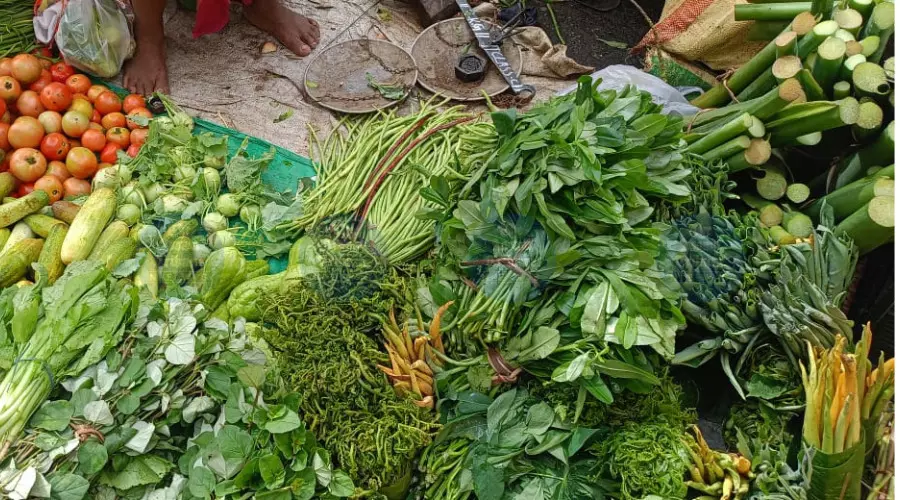
Indigenous produce displayed in a weekly haat in Guwahati
Step into the bustling weekly haats of Guwahati, where bamboo baskets brim with leafy greens, roots, and fruits, their earthy fragrance mingling with the chatter of vendors. Amid this riot of colours and flavours lies a quieter story - Assam’s indigenous treasures, the true "superfoods", often hidden in plain sight.
While shiny packaged goods and imported produce steal the spotlight, local gems like tenga mora, varieties of xaak, kosu, kordoi and sweet potatoes continue to nourish homes with their nutrition and deep ties to Assamese tradition; now slowly earning recognition beyond state borders.
What are these superfoods?
Superfoods are nutrient-rich foods considered especially beneficial for health and well-being. While the global market highlights chia seeds, quinoa and kale, Assam has long had its own arsenal of superfoods that are cultivated organically, rooted in tradition, and consumed by generations.
“When we speak of superfoods, we should first look at our own soil. Our traditional foods are nutrient powerhouses, often more sustainable and affordable than imported ones,” says SK Chetia, an agriculturist from Jorhat.
Dhekia xaak is rich in nutrients and is good for digestion (Photo - @WanderingFoodi / X)
Tenga mora (roselle leaves), for instance, is rich in Vitamin C and antioxidants, known to boost immunity. The wide range of xaak (leafy greens) - from laixaak to morisa, are rich in iron, calcium, and fiber, supporting digestion and bone health.
Kosu (colocasia) leaves are heart-healthy and packed with minerals, while kordoi (star fruit), with its tangy-sweet flavor, is excellent for digestion and controlling cholesterol. Sweet potatoes, abundant in local markets, are a great source of beta carotene and complex carbohydrates.
Scenes for markets
At the weekly haat in Beltola, vendors arrange their produce neatly for the buyers. Under colourful umbrellas, women vendors patiently explain to buyers how to cook lesser-known greens.
“Buyers often go straight for potatoes, onions, or packaged vegetables. They don’t realise that xaak and tenga mora can be cheaper and healthier. But slowly, demand is rising again. Young people are coming back to these foods,” says Manju Devi, a vegetable vendor in the market.
A lady arranging the local produce for buyers in a weekly market in Guwahati
In the market, another seller, Nurul Haque, observes the changing trends, “Earlier, people used to bargain a lot for xaak. Now they are willing to pay a little more because they have read or heard that these are ‘organic’ and better for health.”
Why do people overlook them?
Urban lifestyles and changing food habits have led many to overlook indigenous produce. With supermarkets offering polished, pre-packaged vegetables, the earthy, sometimes mud-stained greens in local markets may seem less appealing.
Marketing also plays a role. While global “superfoods” are aggressively branded, local treasures rarely get such promotion.
Rita Goswami, a regular customer at a weekly market, says, “These organic foods have been part of our diets for centuries. My grandmother used to insist on different types of xaak every day. Now, doctors too are recommending them for their nutritional value.”
Another customer, Arup Das, adds, “Earlier, I thought only older people preferred these vegetables. But now I see them being sold out quickly. Availability has increased, and even in cities, demand for kordoi and sweet potatoes is rising.”
Sustainability & farming practices
Agriculturist Chetia explains that the cultivation of these superfoods is evolving. “Many farmers still grow these products using traditional methods without chemical fertilizers or pesticides. This is why their nutritional content remains high,” he says.
A view of an organic farm
“But with growing demand, especially in urban and international markets, some farmers are shifting to commercial farming. We must strike a balance, promoting organic and sustainable methods while meeting rising demand,” he adds.
Chetia also pointed out that the global market is beginning to acknowledge the value of indigenous products.
“The demand for organic and traditional Assamese foods is rising in both national and international markets. If promoted well, products like tenga mora or amora can become as popular abroad as quinoa or avocado.”
A rediscovery of tradition
The resurgence of interest in local produce is also tied to identity and tradition. Younger generations are rediscovering recipes that were once staples in Assamese households like xaak bhaji, kordoi tenga curry, kosup pitika.
Food bloggers and chefs are increasingly showcasing these ingredients, giving them a modern twist while retaining their nutritional essence.
The weekly markets, therefore, are not just sites of commerce but spaces where culture, tradition, and health intersect. They remind people that wellness doesn’t always come from imported health foods but from what grows in one’s own backyard.
Traditional xaak varieties in display for buyers at a weekly market
The road ahead lies in balancing awareness, accessibility, and sustainable farming. With urban populations slowly returning to local foods and the international market opening up, the potential of Assam’s indigenous superfoods is immense.
As Chetia aptly puts, “Our traditional vegetables and fruits are not just foods, they are part of our identity. With the right encouragement, Assam can be a leader in organic and sustainable food markets globally.”