
Assam’s first seed conservation gene bank inaugurated in Titabor
The gene bank is capable of storing over 8,000 rice varieties and other crop seeds for up to 15 years
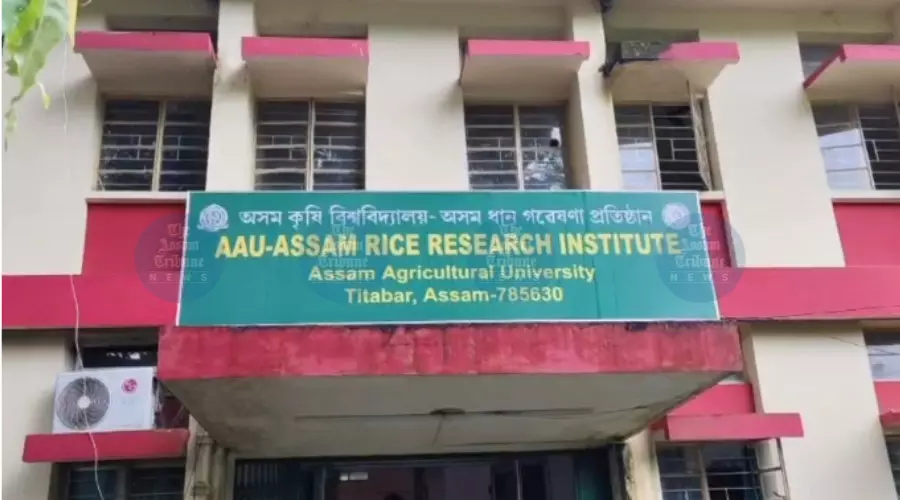
The Assam Rice Research Institute in Titabor (AT Photo)
Jorhat, Aug 14: Farmers and researchers in Assam have a new resource to safeguard agricultural diversity with the inauguration of the state’s first seed conservation gene bank at the Assam Rice Research Institute (ARRI) in Titabor.
The state-of-the-art facility, capable of storing seeds for up to 15 years, will preserve local and traditional crop varieties, benefiting cultivators, researchers, and the wider agricultural ecosystem.
“We laid the foundation stone of the gene bank in 2023, and today it stands as a reality. Without proper storage, many crop varieties, both new and traditional, risk being lost forever. This facility will ensure their preservation for generations to come,” said Dr. Bidyut Chandan Deka, Vice-Chancellor of Assam Agricultural University (AAU), during the inauguration on Wednesday.
The facility can store around 8,000 rice seed varieties, including over 3,000 local strains, along with seeds of fruits, vegetables, oilseeds, and other crops.
Each preserved seed will have detailed information accessible via QR code, making the system transparent and farmer-friendly.
Senior agricultural scientist Sanjay Kumar Chetia of AAU, who has been closely involved in the project, highlighted the practical benefits.
“Previously, to prevent seed degradation, we had to re-cultivate rice varieties annually, which were labour-intensive and costly. Now, with advanced storage technology, seeds can be preserved for up to 15 years without compromising quality. This will greatly help farmers seeking high-quality seeds and researchers studying crop diversity,” Chetia said.
The AAU and ARRI have long been working to develop improved seeds while conserving traditional rice varieties. The new gene bank marks a major milestone in protecting Assam’s agricultural heritage and strengthening food security.
Farmers can now access high-quality seeds on demand, reducing dependence on annual seed production and safeguarding indigenous varieties from climate change or neglect.