
Assam bans radical print, digital content tied to terrorist groups under BNSS
With the ban, the govt wants such material blocked to stem ideological flow that precedes operational activity
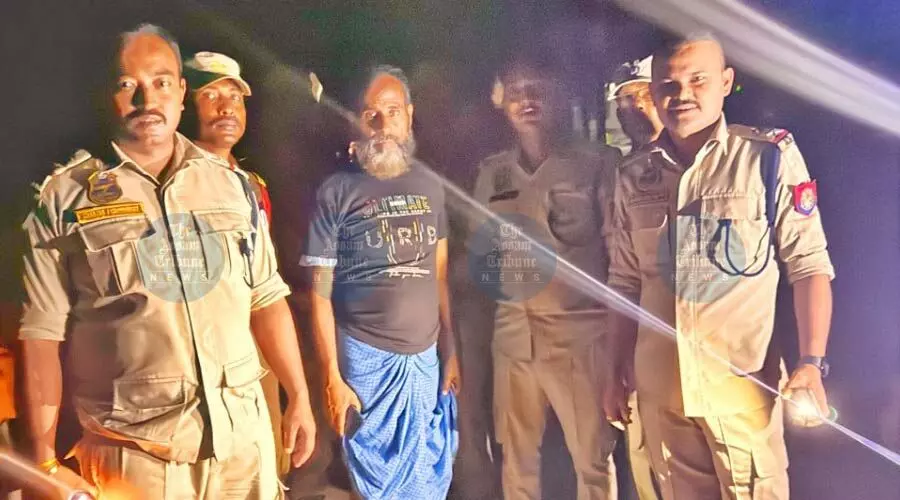
Hazrat Ali, taken into custody in September for alleged links with banned outfit Jamaat-e-Islami of Bangladesh, highlights Assam's broader move to strengthen security in the state
Guwahati, Dec 4: In a significant policy shift aimed at targeting the ideological roots of militancy, the Assam government has prohibited all forms of radical literature, both print and digital, associated with banned extremist organisations.
The order, issued under Section 98 of the Bharatiya Nagarik Suraksha Sanhita (BNSS), marks a move from policing isolated acts of radicalisation to dismantling the ecosystem that enables them.
Senior security officials said recent investigations revealed a clear pattern wherein individuals arrested for suspected links with Jamaat-ul-Mujahideen Bangladesh (JMB), Ansarullah Bangla Team (ABT), Ansar-Al-Islam/pro-AQIS and similar groups were seldom recruited through direct interpersonal networks.
Instead, many were exposed to sophisticated digital propaganda comprising videos, encrypted manuals, PDF documents and religiously framed exhortations.
Much of this content, official noted, is produced outside India, often originating in Bangladesh, and circulates through discreet digital channels that reach vulnerable youth in sensitive border districts.
The government believes banning such material will help stem the ideological flow that precedes operational activity.
The move comes amid shifting geopolitical dynamics in the neighbourhood, particularly following the political transition in Dhaka after Sheikh Hasina’s exit.
Bangladesh’s High Commissioner to India, M Riaz Hamidullah, during an interaction on Wednesday, emphasised Dhaka’s intention to reinvigorate bilateral engagement through cultural exchanges, film festivals and tourism initiatives.
He said economic interaction remains strong and expressed hope that “people-centric avenues” would help “break the ice” as both countries reassess priorities for the next phase of cooperation.
Even as the Assam government intensifies scrutiny of jihadi literature, a parallel debate was triggered on Wednesday by Jamiat Ulama-e-Hind (JUH) president Maulana Mahmood Madani, who argued that the concept of “jihad” has been deeply misunderstood.
Calling it a “sacred, values-driven principle” within Islam, he said it should be included in school curricula so that children learn its authentic meaning. Madani, who was in Assam in September, alleged that the term has been distorted by vested interests “from within and outside the Muslim community,” fuelling hostility against Muslims.
Meanwhile, in a separate development, a Kolkata court on Wednesday sentenced five members of the JMB to life imprisonment.
The men, arrested in 2016 by the Kolkata Police Special Task Force from North 24 Parganas district and Assam, were convicted for their involvement with the militant outfit.