
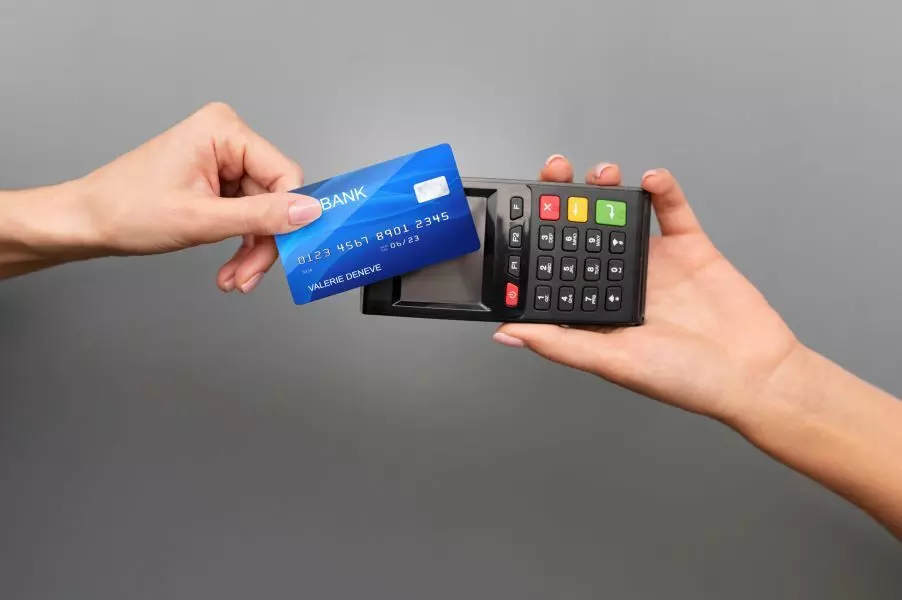
Credit cards offer convenience, but they also demand vigilance. And that isn’t limited to managing interest costs or comparing repayment options with a credit card EMI calculator. Physical misuse and skimming remain real risks, especially at compromised ATMs or tampered POS terminals. Criminals can install discreet hardware to clone card data without you even realising it.
These incidents are more likely at isolated ATMs, unattended petrol pumps, or smaller roadside shops, where supervision is minimal and hardware checks are lax. However, a few disciplined habits can help reduce your exposure to skimming.
Practical ways to protect your credit card from skimming
Here are five simple and effective ways to safeguard your credit card from skimming and keep your financial data safe:
1. Inspect ATMs and POS terminals before you use them
Look for signs of tampering: loose card readers, unusual overlays, extra devices on the keypad, or bulky attachments around the card slot. Try to use ATMs located inside bank branches or well-lit, busy locations. If something looks off, walk away and use a trusted machine.
2. Shield your PIN and use contactless or chip options
Always cover the keypad with your hand while entering your credit card PIN; skimmers and hidden cameras target exposed PIN entries. Wherever possible, use EMV chip insertion or contactless payments instead of swiping; chips are far harder to clone.
3. Enable instant alerts, set limits, and monitor statements
Activate SMS and email alerts for every transaction and check them immediately after use. Keep low contactless limits if your issuer allows it and review your bank statement regularly via mobile banking. Quick detection lets you report and block cards before big losses occur.
4. Use virtual/one-time cards and block features for online payments
For web or app purchases, use the bank’s virtual card or tokenisation option instead of sharing your physical card details. Many banks and cards offer temporary card numbers or block/unblock features via the mobile app; use them to limit exposure.
5. Act fast if you suspect skimming
If ever you notice strange ATM behaviour, any unrecognised charges, or missing SMS alerts, quickly block the card via your bank’s app or customer care. File a First Information Report (FIR) if funds are stolen and report the incident to your bank and the Reserve Bank of India’s (RBI) cyber complaint portal if the need arises. Taking such quick actions increases the chances of charge reversal.
Quick tips
• Use ATMs inside bank branches rather than roadside machines.
• Opt for chip-based transactions and RBI-compliant POS terminals.
• Keep emergency contact numbers for your card issuer handy.
• Use net banking and mobile apps to freeze/unfreeze cards instantly.
Wrapping up
Skimming prevention is mostly about vigilance: inspect machines, protect your PIN, enable instant alerts, and prefer chip or virtual options. In today’s digital payment environment, simple habits and quick responses can go a long way in protecting your money and credit history.
Keep your card details private, act fast on suspicious activity, and use digital safeguards. These are small steps that save you from a lot of trouble.
(The views, opinions, and claims in this article are solely those of the author’s and do not represent the editorial stance of The Assam Tribune)