
How School Security Cameras Are Enhancing Campus Safety in 2025
Discover how school security cameras in 2025 are transforming campus safety through real-time monitoring, smart integration, and proactive threat response.
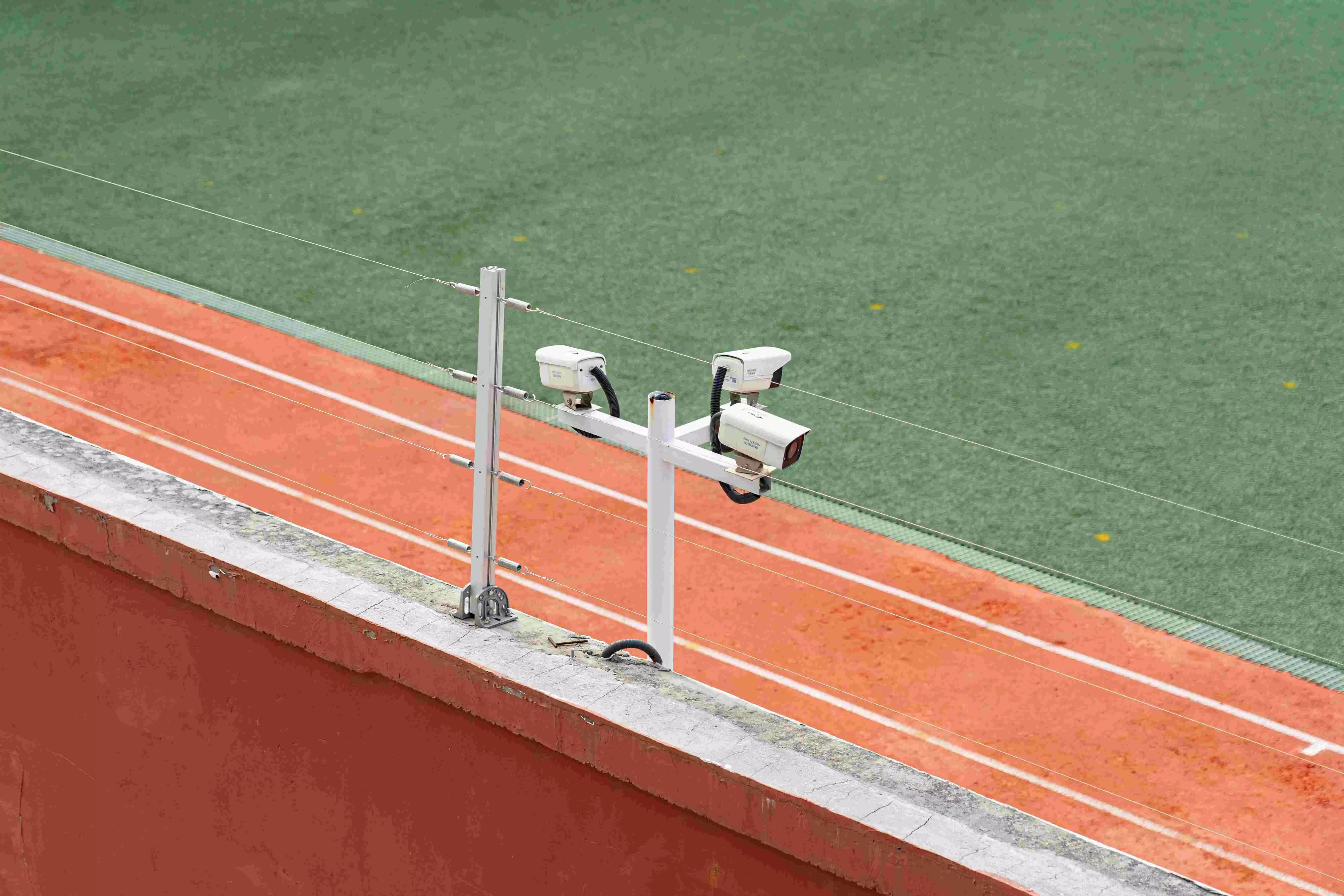
School safety is one of the most pressing priorities for educators, parents, and policymakers alike. In 2025, advancements in surveillance technology—particularly school security cameras—are redefining what it means to keep campuses secure. No longer limited to passive video recording, today’s camera systems offer intelligent monitoring, real-time threat alerts, and seamless integration with broader campus security infrastructure.
This article explores how modern school security cameras are reshaping safety protocols, enhancing visibility, and supporting proactive responses in elementary schools, high schools, and university campuses.
1. Real-Time Monitoring for Immediate Response
One of the key shifts in 2025 is the increased emphasis on real-time surveillance. Modern school security cameras now provide high-definition, live video feeds accessible from centralized security rooms, mobile apps, or even administrative dashboards. Platforms like Coram enhance this capability by allowing schools to monitor multiple IP camera streams through a unified dashboard, share video clips securely via SMS or email, and set real-time alerts for suspicious activity.
When behavior such as unauthorized access, loitering, or potential altercations is detected, staff receive instant notifications, enabling swift intervention before issues escalate. In emergencies, it supports temporary access links so law enforcement can view live footage remotely, helping them assess and respond in real time.
2. AI-Driven Threat Detection
Artificial Intelligence (AI) has become a cornerstone of school surveillance. AI-powered school security cameras now have the ability to:
Recognize faces and compare them against watchlists
Detect unusual behavior patterns
Spot unauthorized entries after hours
Identify loitering or congregation in high-risk areas
Monitor entry and exit points for irregular activity
These capabilities allow schools to move from reactive to proactive safety management. Instead of reviewing hours of footage after an incident, administrators can now receive intelligent alerts as events unfold.
3. Integration with Access Control Systems
In 2025, school security cameras are no longer standalone systems—they are part of a larger integrated safety ecosystem. One of the most important integrations is with access control systems.
Here’s how this synergy works:
When a door is opened with an access card, the nearest camera automatically tags and logs the footage
If someone tries to enter a restricted area without authorization, the system triggers a real-time alert and begins recording
Administrators can audit access logs alongside video footage to verify incidents or investigate misconduct
This level of integration supports a layered security approach that protects both physical spaces and the people within them.
4. Protecting Students While Respecting Privacy
As surveillance becomes more advanced, schools must strike a balance between security and student privacy. In 2025, best practices focus on:
Using facial recognition only in designated high-risk zones (e.g., main entrances)
Avoiding surveillance in sensitive areas such as restrooms and counseling offices
Encrypting stored footage and implementing strict access controls
Creating transparent surveillance policies communicated to parents, students, and staff
When deployed responsibly, school security cameras can enhance safety without undermining trust or infringing on personal rights.
5. Remote Access and Mobile Surveillance
Modern school administrators and security personnel aren’t always confined to a desk. That’s why remote access has become a critical feature of school surveillance in 2025.
With mobile-enabled systems:
Security teams can view live or recorded footage from their smartphones
Staff can receive push notifications for security events like door breaches or after-hours motion
Temporary access can be granted to outside law enforcement or emergency responders via secure links
This mobility empowers school staff to stay vigilant even while moving between buildings or managing off-campus events.
6. Cost-Effective Scaling Across Campuses
Many school districts operate multiple buildings, including elementary, middle, and high schools spread across different neighborhoods. In the past, scaling surveillance across such networks was prohibitively expensive and operationally complex.
Now, school security cameras with cloud connectivity and IP integration offer:
Centralized monitoring across multiple campuses
Easy addition of new cameras without rewiring
Lower upfront costs by using existing infrastructure
Flexible storage options (on-premise, cloud, or hybrid)
This scalability means even small districts with limited budgets can maintain a high level of security across their entire school network.
7. Event Playback and Incident Investigation
When incidents do occur—whether it’s vandalism, bullying, or an intruder on campus—video footage becomes essential to the investigation process.
New-generation school security cameras provide:
Intelligent search tools to locate events based on time, location, or motion
Bookmarking and tagging features for rapid review
Easy export of clips for sharing with law enforcement or insurance providers
Time-synced integration with access logs and alarms
These tools not only support incident resolution but also provide documentation that helps prevent future occurrences.
8. Environmental Monitoring Integration
Beyond threats of violence or trespassing, schools face safety concerns related to the physical environment. In 2025, many school security cameras are integrated with:
Smoke and fire detectors
Gas leak sensors
Temperature and humidity monitors
Emergency alert buttons
This convergence allows schools to respond to emergencies like fires or chemical spills with greater speed and coordination. Video analytics can even track evacuation progress and ensure compliance with emergency protocols.
9. Supporting Behavioral Interventions and Student Welfare
While surveillance is often associated with security threats, it can also support positive behavior management. By reviewing non-critical footage, educators and counselors can:
Identify patterns in bullying or conflicts
Assess supervision gaps during recess or lunch
Understand movement patterns of students with special needs
Monitor hallways during class transitions for congestion or unsafe behavior
Used wisely, school security cameras help staff create more supportive, responsive, and equitable learning environments.
10. Community Trust and Transparent Communication
Lastly, surveillance must be part of a wider communication strategy that builds trust with the school community. In 2025, the most successful schools:
Clearly explain their surveillance policies to parents and guardians
Involve school boards and PTAs in decision-making
Provide students with age-appropriate guidance on digital safety
Regularly audit systems to ensure they meet privacy and security standards
When families understand that school security cameras are part of a thoughtful and transparent safety strategy, they are more likely to support and engage with the process.
FAQs
Q1: Are school security cameras monitored live at all times?
Not always. Many systems rely on motion detection and AI alerts to flag unusual activity. However, live monitoring is common during school hours or special events.
Q2: Can school security cameras identify individuals?
Yes, with facial recognition features, some systems can match individuals to pre-approved or flagged profiles. Use of this technology should follow strict privacy protocols.
Q3: Where are cameras typically installed in schools?
Common locations include main entrances, hallways, parking lots, cafeterias, and gymnasiums—while avoiding areas where privacy is expected, such as restrooms.
Q4: Do school cameras store footage in the cloud?
Many modern systems offer hybrid storage options, allowing footage to be stored locally, in the cloud, or both, depending on school policy and budget.
Q5: How do schools ensure footage is secure?
Footage is typically encrypted, access is restricted based on user roles, and activity is logged to provide traceability for all interactions with the system.
Conclusion
In 2025, school security cameras are no longer just silent observers—they are intelligent, integrated tools that help schools respond faster, operate smarter, and protect better. From AI-powered threat detection to seamless integration with access controls and environmental sensors, these systems are revolutionizing campus safety.
By embracing these technologies thoughtfully and responsibly, school leaders can create secure, welcoming environments that empower learning and give peace of mind to everyone who walks through the school gates.
(The views, opinions, and claims in this article are solely those of the author’s and do not represent the editorial stance of The Assam Tribune)
https://assamtribune.com/article/convenience-vs-customisation-what-birthday-cake-delivery-services-are-offering-in-2025-1586152