
From Steppes to Stadium: Preparation of Mongolian Wrestlers for Victory
Explore how Mongolian wrestlers train from their traditional yurts to the championship arenas of the Naadam Festival.
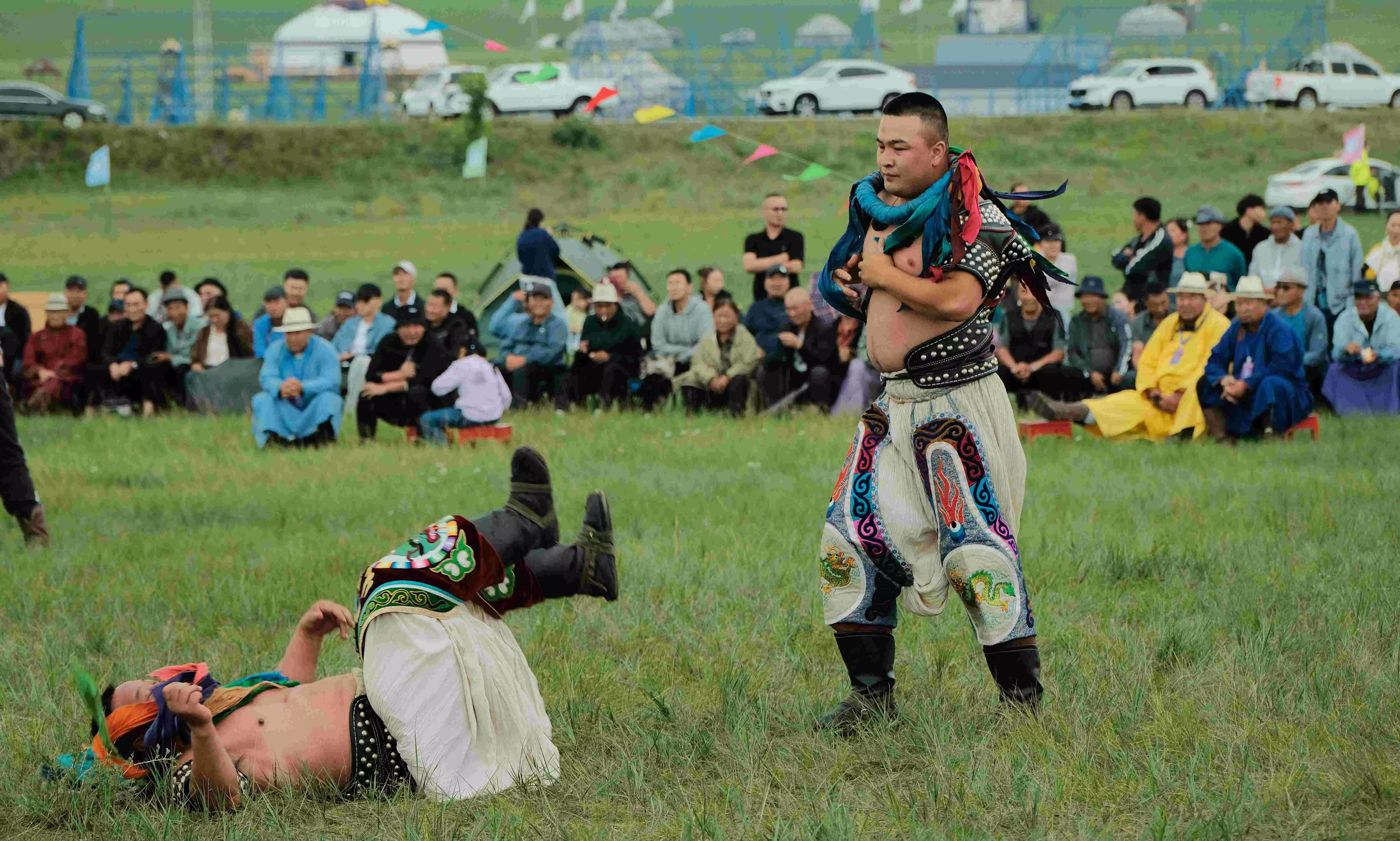
The tale of a Mongolian wrestler does not start in some contemporary-day gymnasium crammed with mirrors and machinery. It begins far from throngs, under the big blue sky of the Mongolian steppe, where tradition, discipline, and patience are embedded into daily life. There, in the seclusion of open air and family yurt desires, young boys take their initial wrestling steps long before a competitive venue.
Mongolian wrestling, or Bökh, is not just a sport; it's a national pride. Preparing these champions combines ancient tradition with contemporary sports science. Wrestlers combine centuries of techniques with contemporary methods, forming warriors as emotionally tough as they are physically powerful.
The Traditional Training Origins of Naadam Champions
Mongolian wrestling conditioning has forever been directly connected to natural rhythms and rural life. Even today, wrestlers head back to their native provinces during off-seasons in order to again connect with the earth that formed them. Cattle herding, horse riding, and hiking miles over rugged country are the foundation of their natural strength and endurance.
Physical training begins at an early age, at times even from childhood. Potential wrestlers receive early learning of basic stances, balance training, and age respect, whereas the elderly pass on the wrestling knowledge through practical training rather than instructional manuals. With time, young players start taking part in local tournaments, where they hone their instincts and courage.
Notably, although Mongolian wrestling training is still traditional, the world has not forgotten them. For example, while Mongolian fans support their wrestling heroes, there are also some who enjoy keeping themselves updated about world sports and events. Off-seasons for wrestling also get most tracking NBA bettingtrends in the middle of bickering over how sportsmen train, a testament to how sites such as Melbet provide global entertainment with local TV soap. This combination of tradition and modernity, world and homeland, makes Mongolian wrestlers culturally superior. They are traditional but not against contemporary tendencies, therefore they are amply blessed with tradition yet not dead in the modern world.
The Central Principles of Mongolian Wrestling Training
Mongolian wrestlers' physical conditioning is complex and challenging. Some combat sports are limited to just one element of concern regarding sheer explosive power, but Bökh requires integration of endurance, flexibility, and resilience.
Let's break down some of the most important facts about an average wrestler's training regimen:
Training Element
| Purpose | Common Activities |
Strength & Conditioning | Build muscle and prevent injury | Carrying logs, lifting stones |
Technical Drills | Master traditional wrestling moves | Throws, counters, and footwork drills |
Mental Preparation | Sharpen focus and strategy | Visualization, breathing exercises |
Endurance Training | Sustain energy throughout tournaments | Long-distance running, horseback riding |
These are not confined to the practice ring alone. So much of the daily routine of the wrestler forms part of preparation. Chopping wood develops grip. Tiring animals down to submission increases staying power. Even endurance needed during long winters makes the wrestler mentally strong.
In the run-up to tournament time, wrestlers move to shared training camps where they will wrestle fellow top athletes. These training camps, typically found in the rural backwaters, permit wrestlers to challenge each other to new levels, replicating the Naadam Festival environment.
Mentors, Rituals, and Respect: The Spirit of the Sport
In Mongolian wrestling, the psychological component is as crucial as the physical. Tradition, elders, and other wrestlers are honored with each step of the athlete's path. Wrestlers conduct the "eagle dance" before matches, mimicking a bird in flight and calling upon the sky gods to bring strength and protection.
Mentorship is also part of the training. Senior wrestlers, who have been champions for decades themselves, teach not only methods but also philosophies — how to conduct oneself after winning with humility and losing with dignity. Such cultural legacy makes each subsequent generation of wrestlers remain rooted in the values of their seniors.
These traditions continue even in contemporary training grounds. Young wrestlers will bow or exchange traditional greetings with old wrestlers before sparring, a sign of respect for the centuries-long tradition of wrestling know-how.
And it's not entirely tough love — wrestlers share something too over road tales, tunes, and dining together. Amidst this combination of rigorous training and camaraderie, lifelong relationships are formed.
From Yurt to Title: The Journey of a Wrestler
Despite the progress of sports science, the philosophy of Mongolian wrestling training is the same in its brute simplicity — leveraging nature and culture to produce champions. But nothing is simple about the path from the yurt of the family home to the center stage of Naadam. It takes sacrifice, determination, and the drive to continuously excel.
As Naadam draws near every summer, Mongolia waits with bated breath. Stadiums and fields are packed with full crowds of fans cheering on hometown favorites. Every wrestler steps onto the grassy mat, armed not only with months of training but with hometown honor and family pride, too. Glorious wins are danced and sung in festivals, and loss provides the incentive for another year of training.
In contrast to professional sports leagues elsewhere, in which careers are typically sustained by commercial agreements and contractual arrangements, Naadam wrestlers wrestle for titles with a rich history. Victory is about individual dignity and national pride, not profit.
Naturally, the new world also created new opportunities for Mongolian wrestlers. Some switch to sumo wrestling in Japan, while others gain reputations in world grappling tournaments. Outside the wrestling ring, they serve as cultural ambassadors, introducing the wrestling tradition of Mongolia to the world.
Why This Tradition Remains Inspiring
A Mongolian wrestler's life is an uplifting mix of tradition and modernity. From humble origins in a yurt to the deafening crowds of Naadam, every step of the way is a testament to the resilience and hardiness of Mongolia itself.
In an era of digital distraction and overnight celebrity, the slow, incremental method of these wrestlers is all the more remarkable. Their tale proves greatness does not happen overnight — but is tempered through seasons, adversity, and profound cultural foundations.
And when the summer sun breaks over the steppe, the next installment in this great wrestling heritage plays out again, as new wrestlers emerge to inscribe their names into history.
(The views, opinions, and claims in this article are solely those of the author’s and do not represent the editorial stance of The Assam Tribune)